Branding doesn’t come from a logo.
It comes from trust.
Most brands are built backward. They start with the design. The tagline. The visual identity. And then they wonder why nobody actually cares.
Real branding—the kind that moves markets—starts with understanding your audience so deeply that you can predict what will influence them. It’s about relationship capital, not follower counts.
And it’s completely different from what most people think branding is.
Why I Built an Influencer Marketing Program at UCLA
The theory I was teaching in business school didn’t match the reality I was seeing in the market.
Professors were teaching frameworks that were outdated. Companies were throwing money at influencer marketing campaigns that didn’t work. Entrepreneurs were burning cash on content that nobody engaged with.
So I decided to create something different: the world’s first fully accredited influencer marketing program.
And I learned fast that influencer marketing isn’t what most people think it is.
It’s not about finding a celebrity to promote your product. That’s just advertising. That’s not influence.
Real influence is about understanding your audience so deeply that you can predict what will move them. It’s about building frameworks that work across industries and demographics. It’s about trust.
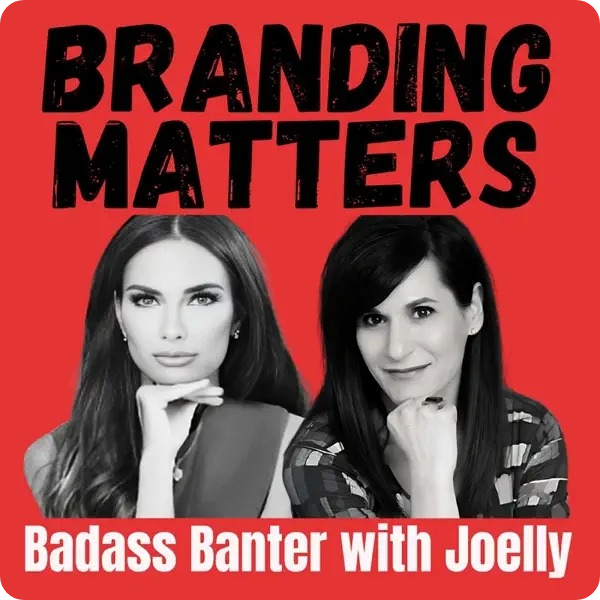
In this conversation with Joelly Goodson (the Branding Badass), we unpacked what actually builds real influence—and why most brands are missing the mark completely.
The Difference Between Popularity and Influence
Here’s the distinction most people don’t make:
You can have 100K followers and zero influence.
You can have 1K followers and move markets.
The difference? Relationship capital.
Transactional relationships evaporate with an algorithm change. They disappear when you stop posting. They vanish when the trend shifts.
Relationship capital compounds regardless of platform. It lasts. It works because it’s built on genuine trust and value.
Most people are building for popularity. The smart ones are building for relationship capital.
The Framework That Actually Works
Step 1: Define Your Audience (Be Specific)
Not “everyone.” Be specific.
Who are they? What do they do? Where do they gather? What are their actual problems? What keeps them up at night?
You can’t influence people you don’t understand.
Step 2: Understand What Moves Them
What content, ideas, or people do they already follow? What influences their decisions? What are they currently reading, listening to, watching?
This is where most people get it wrong. They assume they know. They don’t. They project what they would want onto their audience.
Research. Ask. Observe. Listen.
Step 3: Deliver Value in That Space
Show up where they are. Solve their problems. Be consistent.
But here’s the key: don’t try to reach everyone. Focus on reaching the right people so deeply that they become your advocates.
Step 4: Build Relationships, Not Transactions
Every interaction should deepen trust, not extract value.
Don’t ask for the sale immediately. Don’t ask for the follow immediately. Build first. Ask later.
When Visibility and Credibility Aren’t the Same
Most communication strategies are built around awareness metrics.
We measure impressions. We count views. We track clicks. And we call that success.
But awareness and credibility are two different things.
You can have all the visibility in the world and still not be credible. You can have millions of impressions and still not influence a single purchasing decision.
Here’s the truth: influence moves faster than talent. Authority moves faster than credentials. Trust moves faster than visibility.
Stop competing on awareness. Start competing on trust.
The Systems That Actually Build Trust
Building a real brand requires systems.
Systems that account for:
- Your audience’s actual needs and motivations
- Where your audience already gathers for information
- How trust compounds over time
- What authority actually means (spoiler: it’s not followers)
Most people skip the systems part. They jump straight to content creation or visibility tactics.
That’s why they fail.
Real branding is architecture. It’s systematic. It’s strategic.
Standing Out in a Crowded Market
When everyone is competing for the same attention, how do you stand out?
You don’t.
You focus on going deep instead of wide. You build a small community of people who actually care. You deliver so much value that they become your marketing army.
This is the opposite of what most people think. They think bigger is better.
Actually, deeper is better.
The Bottom Line
Your brand matters. Not because the algorithm says so, but because the people you want to influence need to know you, trust you, and believe you have their best interests at heart.
That’s how influence actually works.
Duration: 37 minutes
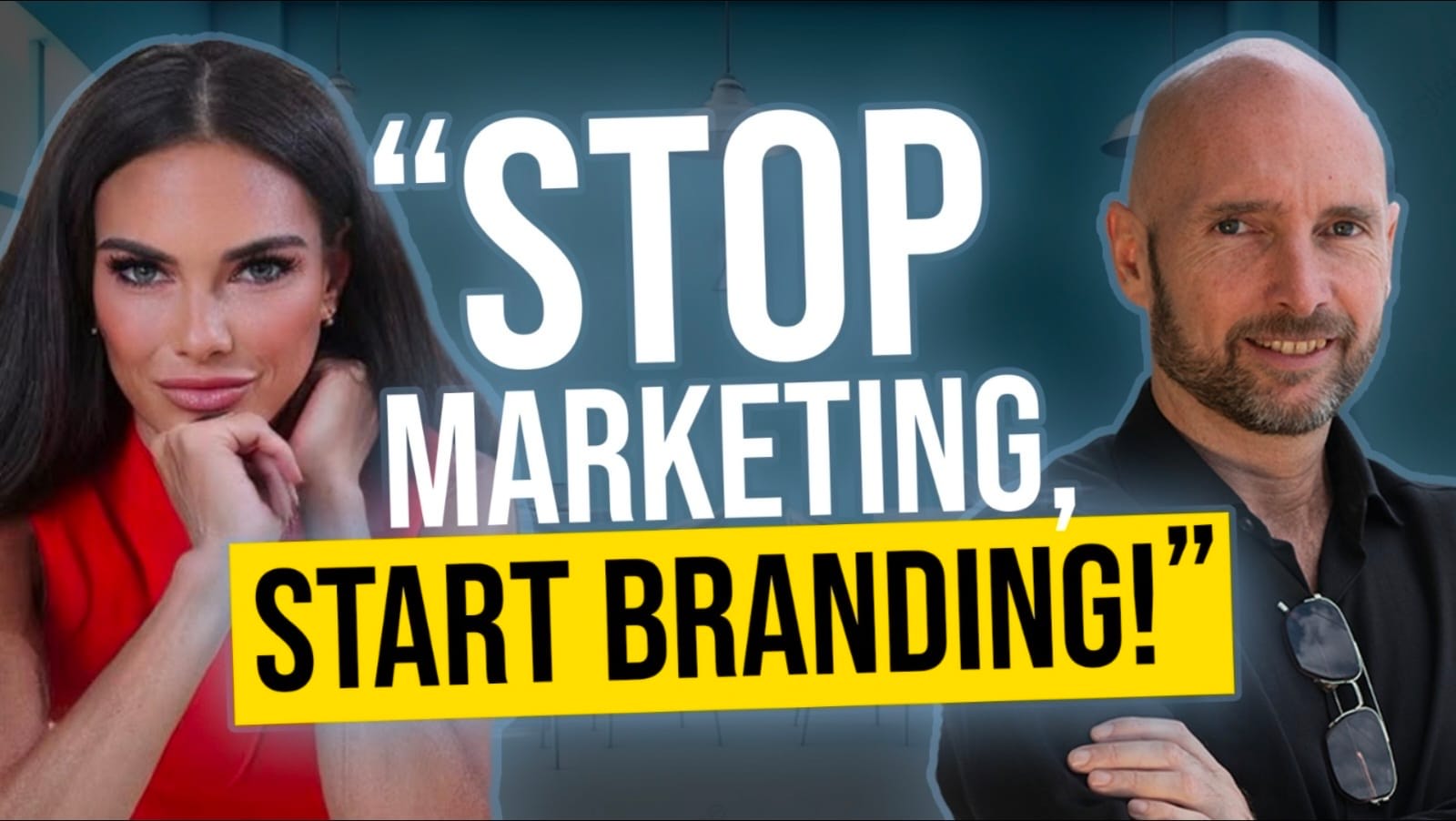
Host: Callum Laing & Amanda Russell
Topics Covered: Personal branding for executives, trust vs. followers, overcoming imposter syndrome, AI for content creation, building influence without the algorithm.
Next week:
You Don’t Need a Personal Brand — You Need a Point of View”
Amanda’s Playbook is a weekly insight series for ambitious professionals and influential thinkers.
Subscribe to get the next drop before everyone else.
—Amanda