Personal branding isn’t narcissism.
It’s survival.
Most executives I meet have spent their entire careers becoming excellent at their jobs. They’ve built deep expertise, solid track records, and genuine impact. But when it comes time to move up—to the board, to the C-suite, to the investor meeting—they’re invisible.
Not because they’re not good enough.
But because nobody knows they exist.
That’s the personal branding gap. And it’s costing brilliant people their careers.
Why I Started a YouTube Channel After Teaching at the Top Schools
I was teaching influence at Northwestern Kellogg, UCLA, and UT Austin. I’d written a book. I was consulting for major brands. On paper, starting a YouTube channel felt like stepping backward.
But here’s what I realized: if you’re not actively doing the thing you’re teaching, you’re extinct.
The world changes so fast that theory becomes outdated almost immediately. I was teaching best practices from a year ago that no longer worked. I was advising on strategies that had already shifted. So I had to get into the arena myself—and that meant admitting that what I thought I knew wasn’t cutting it anymore.
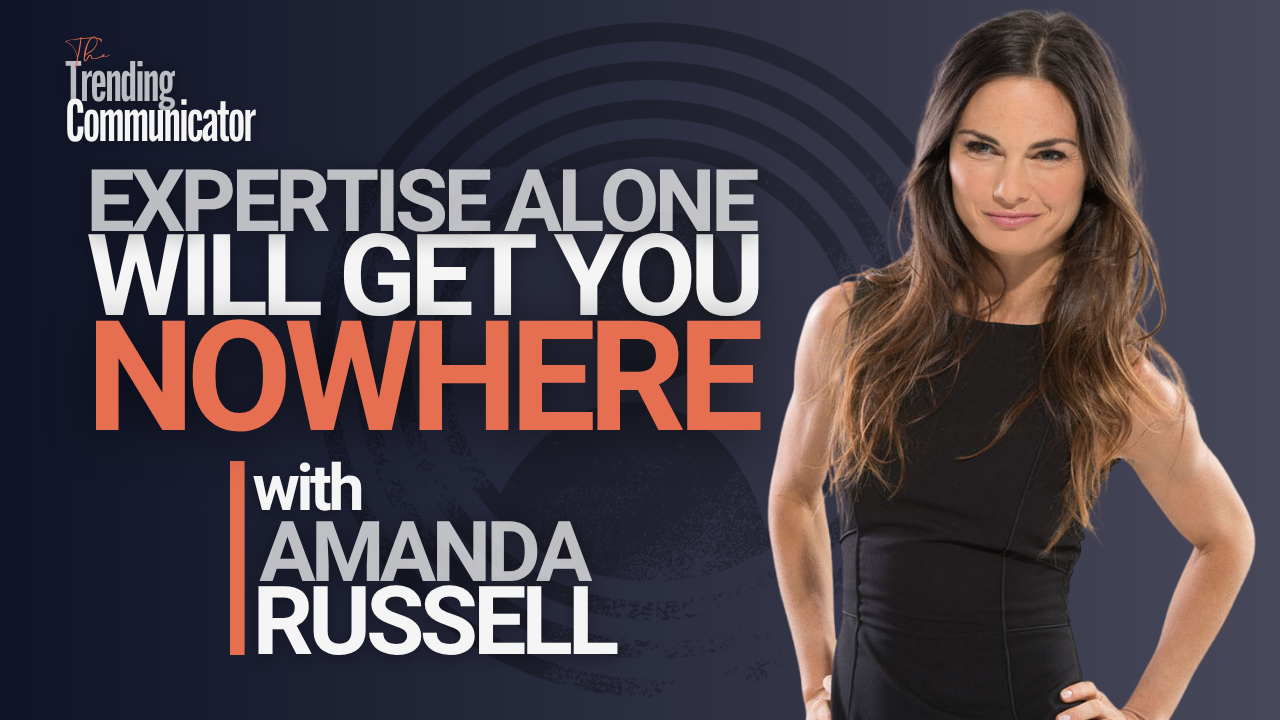
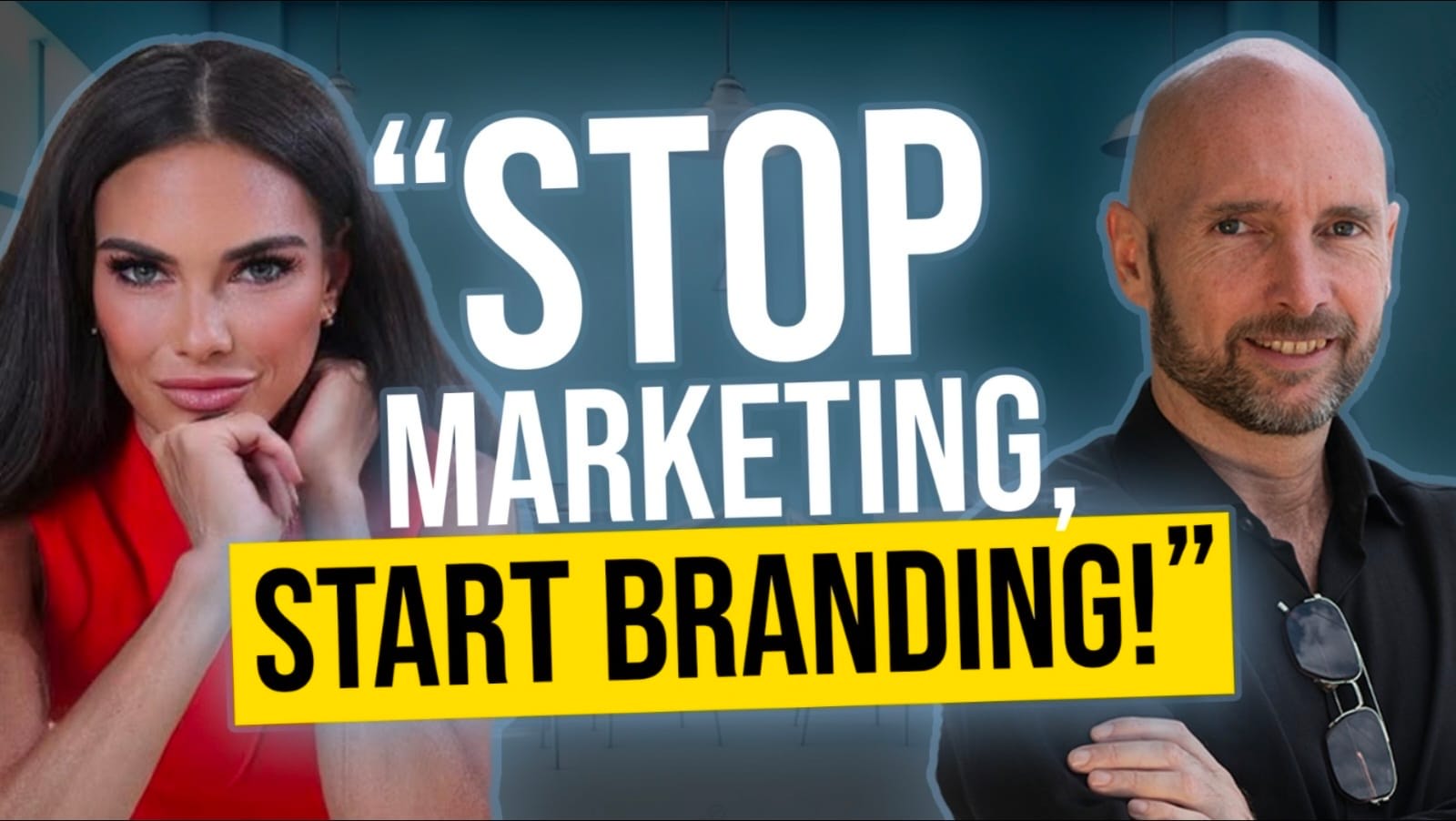
In this conversation with Callum Laing (entrepreneur, investor, and author of Progressive Partnerships), we dug into why personal branding isn’t optional for ambitious people anymore—it’s your competitive advantage in a world where attention is fractured and algorithms are built for advertising, not creators.
The Real Problem with Algorithms Today
Here’s what I learned the hard way: quality + consistency = reach is dead.
When I first built influence on YouTube, that formula worked. Good production, consistent posting, engagement—boom, you grew.
Today? That playbook doesn’t exist anymore.
The algorithms aren’t built to reward individual creators. They’re built to maximize advertising revenue. Unless you’re spending $150K-$200K per month on amplification for 9-12 months straight, you’re not getting organic reach. You’re just creating content that disappears.
That doesn’t mean you shouldn’t do it. It means you have to do it differently.
The New Strategy: Build a Loyal Core, Not Chase the Algorithm
Instead of creating for everyone and hoping the algorithm picks you up, focus on creating for a small, loyal community.
Think about the people who already know your work. Your colleagues. Your clients. Your friends. Your inner circle. Make content for them, not for the algorithm. Put it out there for everyone, but design it for them.
They become your marketing army. They’re your loyalists. They share your work because they genuinely believe in it. And that’s where the “1,000 True Fans” theory actually works.
This is the opposite of what most people think personal branding should be. It’s not about building the biggest following. It’s about building the deepest relationships with the right people.
What Everyone Gets Wrong About Personal Branding
Most people think personal branding is about talking about your accolades. About telling people how great you are.
That’s not branding. That’s bragging. And nobody trusts bragging.
Real personal branding is about showing, not telling. It’s about creating value. It’s about solving people’s problems, not impressing them with your credentials.
When I was struggling with creating authentic video content, I hired a former student to sit behind the camera and ask me questions that came up regularly in my classes. Suddenly, I wasn’t trying to perform for an audience. I was answering questions that mattered. And it came across as genuine instead of scripted.
The shift: stop trying to be impressive. Start being helpful.
The Mindset Shift You Need
Here’s the uncomfortable truth: putting yourself out there requires getting over yourself.
I hosted a YouTube channel launch party at South by Southwest with CEOs and founders in attendance. Looking around the room, I realized they were thinking the exact same thing I was: “If I’m doing a YouTube channel, won’t people think I don’t have a real job?”
The reaction was pure relief. Because they all felt it.
Everyone wants to build their influence. Everyone knows it matters. But everyone’s terrified that doing so will make them look desperate or fake or less successful.
Here’s what changed my mind: the people I trust most in my life aren’t the ones with the most impressive credentials. They’re the people who’ve consistently shown up for me. They’re authentic. They’re genuine. They care about my success.
That’s benevolence. And it beats expertise every single time.
Practical Steps to Start (Without Feeling Gross About It)
Step 1: Google yourself.
See what comes up. Are you happy with it? Yes or no. If not, what can you change?
Step 2: Ask for honest feedback.
Not from people who are obligated to be nice. Ask colleagues, people who know you, even people who don’t know what you do professionally: “What are things I could improve on?” That feedback? That’s your brand right there.
Step 3: Define what success looks like.
Not vague “success.” Tangible outcomes. Do you want to be known as an expert in X? Land speaking gigs? Build a consulting practice? Be specific.
Step 4: Observe your audience.
Who actually needs to move for you to succeed? Where are they getting information? Who are they listening to? Don’t assume you know.
Step 5: Create value, not bragging.
Show people how you solve problems. Don’t talk about what you’ve done. Show what you can do.
Step 6: Pick your channel based on your audience, not trends.
Maybe it’s YouTube. Maybe it’s a podcast. Maybe it’s writing. Maybe it’s speaking at industry conferences. Maybe it’s answering questions in private forums. Pick what aligns with where your audience actually is—not what’s trending.
The Bottom Line:
Your personal brand already exists. The question isn’t whether you have one. It’s whether you’re going to own it.
By choosing not to build it intentionally, you’re letting the market decide. And they’re not going to suddenly prop you up as an expert.
Whether you like it or not, people are calling it a personal brand now. It’s your reputation. Your modern-day reputation.
The ambitious people who succeed aren’t the ones who have the most accolades. They’re the ones who’ve been brave enough to show up, be authentic, and build genuine relationships.
Duration: 37 minutes
Host: Callum Laing & Amanda Russell
Topics Covered: Personal branding for executives, trust vs. followers, overcoming imposter syndrome, AI for content creation, building influence without the algorithm.
Next week:
You Don’t Need a Personal Brand — You Need a Point of View”
Amanda’s Playbook is a weekly insight series for ambitious professionals and influential thinkers.
Subscribe to get the next drop before everyone else.
—Amanda