Trust isn’t just a feeling.
It’s a currency.
And in rooms that move markets, it functions like capital — earned, conferred, and spent.
You can have all the credentials in the world and still be excluded from the real decisions. Not because you aren’t good enough. But because no one has vouched for you yet.
That’s the trust gap. And most professionals don’t know they’re in it until they’re passed over.
Trust Arbitrage
This week on The Influence Equation,
Trust Doesn’t Scale on Merit Alone
There are brilliant minds stuck in middle management, while others with less experience are in the room where the future gets built. Why? Because trust isn’t distributed based on performance reviews.
It moves through whisper networks, reputational shortcuts, and the subtle but powerful act of being vouched for.
And that vouch doesn’t come from being the smartest.
It comes from being seen as a safe bet in a high-stakes environment.
The 3 Layers of Playbook Moves:
- Not just “Can you do the job?” but “Will you make me look smart for backing you?”
Your competence is assumed. What people want is reputational safety. - Not “get the meeting,” but “get the pull.”
Trusted voices get invited in. The rest wait to be discovered. - Not “visibility,” but “social proof in the right rooms.”
People trust who others already trust. That’s how the architecture works.
Scott Galloway says we’re living in an era of collapsing trust — and he’s not wrong.
Credentials aren’t cutting it. Charisma isn’t converting.
People don’t want perfect leaders. They want ones who actually give a damn.That’s benevolence — and it’s the most underpriced signal in the influence economy.
In Silicon Valley, it’s not the smartest founder who gets funded.
It’s the one investors believe won’t blow up the cap table — or burn the team. Because competence gets the meeting. But trust gets the check.
The Unspoken Layer:
Trust isn’t universal. It’s contextual.
It flows through people, not platforms.
And until someone with power says, “I trust her,” you’re still on the outside.
The work is good. The message is clear. But the true test?
Whether someone’s willing to stake their name on yours.
This isn’t about being more likable.
It’s about being so aligned, so grounded, and so safe to bet on — that people want to bring you into the room.
That’s when the real influence starts.
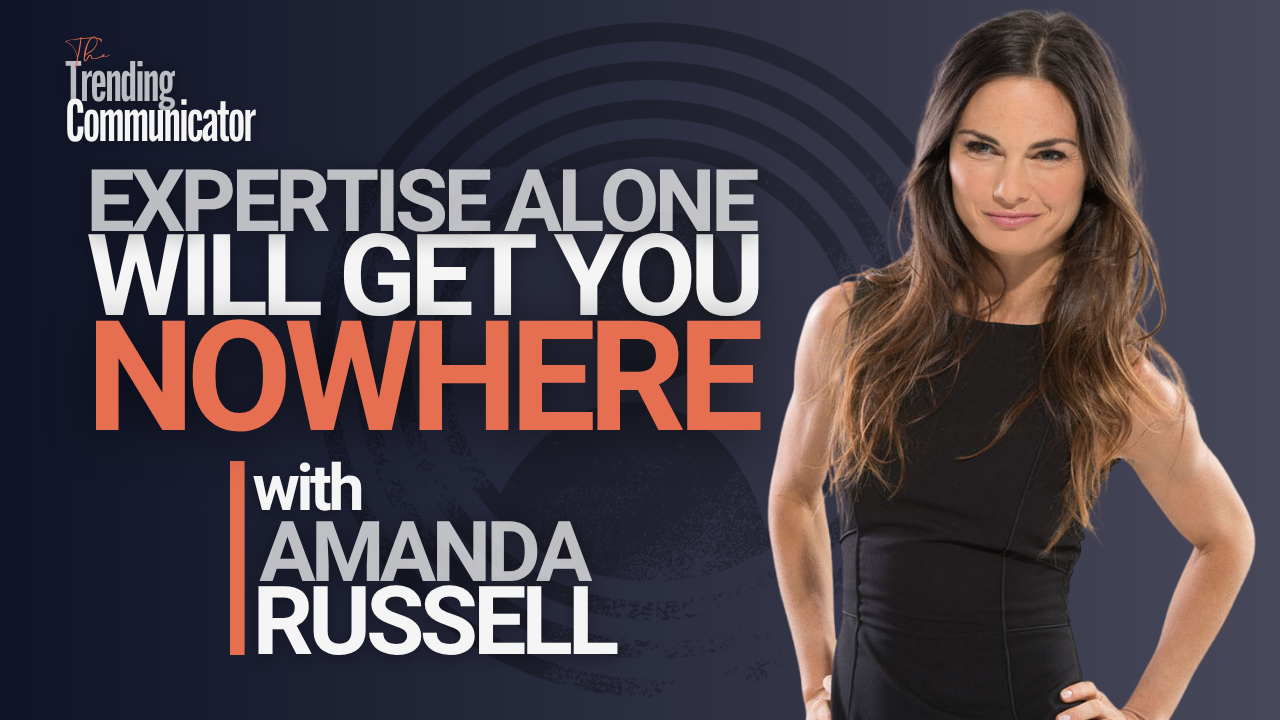
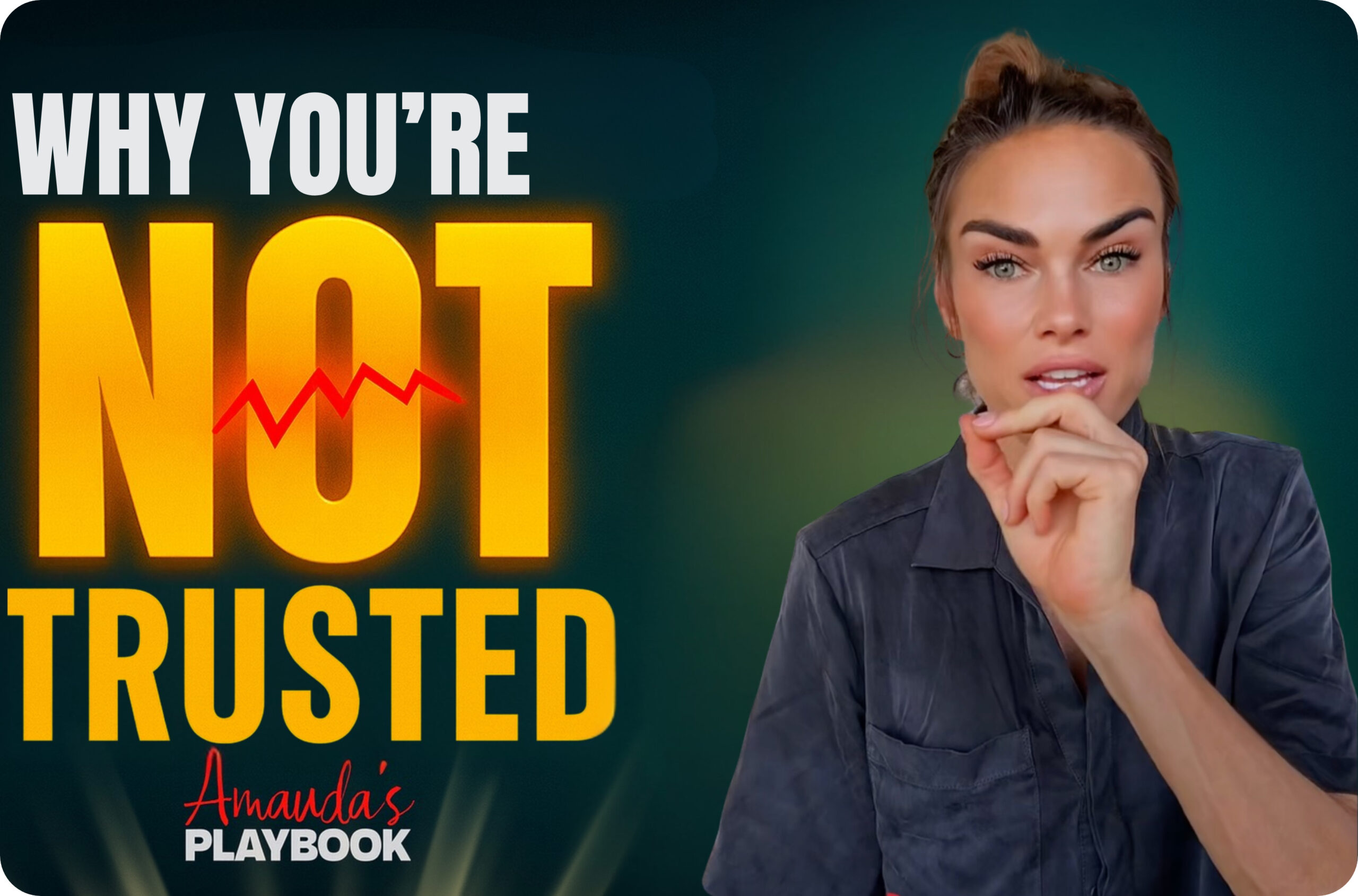
Watch the episode: Trusted voices win – Here’s why you’re not one yet.
Next week:
You Don’t Need a Personal Brand — You Need a Point of View”